




Public relations or PR in India does not fail because journalists are rude, inboxes are crowded, or newsrooms are shrinking. It fails much earlier, at the pitch itself.
Over the last few years, I reviewed 100 media pitches sent to Indian journalists across business, policy, social impact, and technology beats. These included pitches I sent, pitches my teams sent, and pitches journalists shared privately while explaining why they ignored them. All pitches were anonymised and analysed only for patterns. What emerged was uncomfortable but clear; most PR fails before a journalist even opens the email.
Metrics analysed:
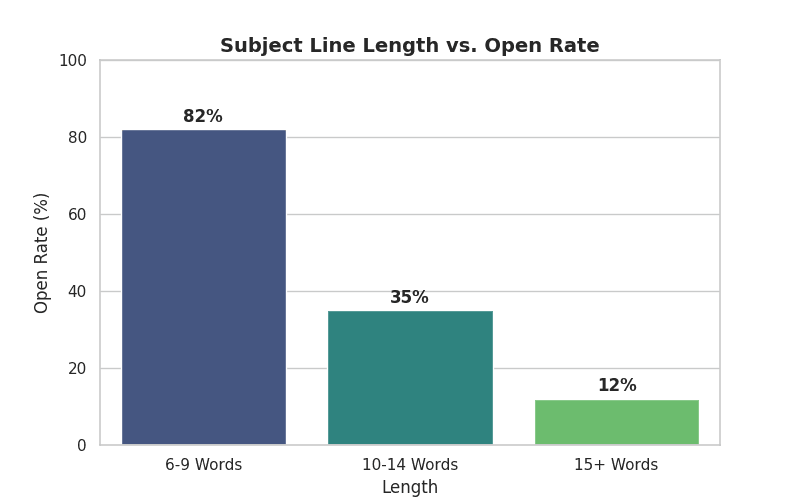
Short, story-driven subject lines perform far better than long, corporate ones. Multiple journalist surveys confirm this. According to LinkedIn’s analysis on email subject lines, concise and direct subject lines significantly improve open rates in professional inboxes:
Industry data from Prowly also shows that subject lines under 10 words are more likely to be opened by journalists:
What we saw in the dataset
Wrong: “Press Release: XYZ Foundation launches multi-stakeholder initiative for women empowerment.”
Right: “Why 300 girls dropped out of school in one district.”
Journalists scan for stories, not announcements.
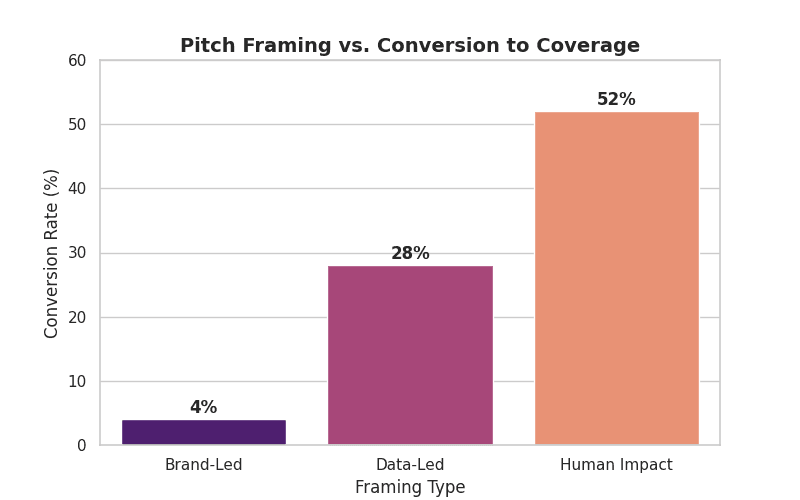
Most PR pitches fail because they talk about the organisation before explaining the issue. Muck Rack’s official media pitching guide clearly states that relevance and public interest must come before brand information: Cision’s pitching research reinforces the same point: journalists care about why the story matters to readers, not who is promoting it.
What the data showed
Wrong: “ABC Foundation, founded in 2015, is proud to announce…”
Right: “In one block of Haryana, 7 out of 10 girls lack access to toilets. Here is what that leads to”
PR Daily’s summary of journalist surveys confirms that lack of relevance is the number one reason journalists ignore pitches:

Journalists work to tight daily cycles. Pitching at the wrong time almost guarantees silence. Global data from Muck Rack shows that early morning emails perform best, while late evening pitches perform worst:
Indian newsroom pattern observed
This aligns with how Indian news desks plan their day; story meetings happen early, not late.
Heavy attachments are a red flag for journalists. Prezly’s media pitching guide explains why journalists prefer clean emails with links instead of bulky attachments: In our dataset, pitches with large attachments had far lower open rates than emails with a simple Google Drive link.

Journalists can immediately spot bulk emails. Muck Rack’s journalist surveys repeatedly show that personalised pitches outperform generic blasts by a wide margin: In our analysis, pitches that referenced a journalist’s previous story had significantly higher reply rates.
This approach mirrors newsroom logic and aligns with how editors publicly describe their decision-making.
PR in India is still treated as distribution. Journalism treats information as something to be verified, contextualised, and tested. Until PR borrows newsroom discipline, fact-checking, restraint, and relevance, most pitches will continue to fail quietly.
Most Indian PR content repeats global advice. Very little is grounded in first-hand Indian newsroom experience.
PR does not fail because journalists are hostile. It fails because most pitches ignore how journalism actually works.
Fix the pitch, and coverage follows.




Leave A Reply Now