What BRICS Week Taught Us About Getting an Event Noticed
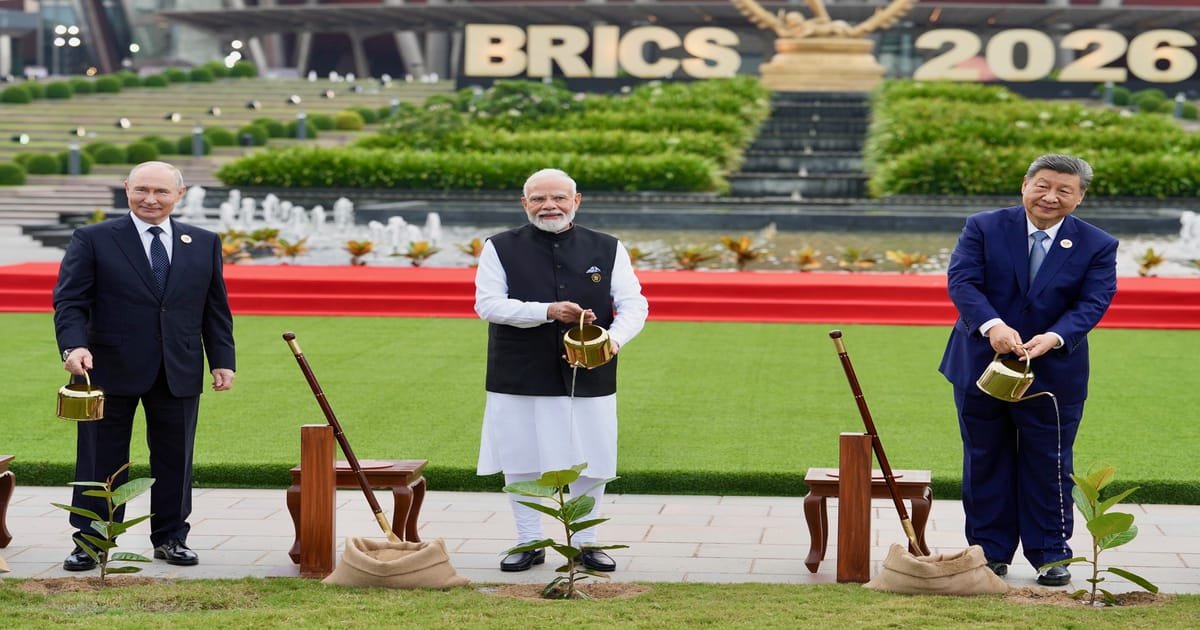
Delhi just had its biggest week of the year. World leaders flew in. Roads closed. Nearly 30,000 police and security staff filled the streets to guard the 18th BRICS Summit at Bharat Mandapam on September 12–13. By the end of day one, eleven countries had agreed on a joint statement, no small feat, since some of those countries don’t agree on much else right now.
Here’s the part most people miss: none of that coverage happened by accident. The government ran a strict media approval process for months before the summit, deciding early who would get access and why. That’s event PR at the biggest scale imaginable. But the same basic idea applies to a product launch, a charity gala, or a company milestone, just with far fewer zeroes in the budget.
We saw this play out ourselves a few months ago. Romit PR ran event PR for the Shagun Vivah Utsav, a mass wedding ceremony organised by the Ladli Foundation Trust at Delhi’s Zora Convention Centre. A former President of India was there. So was the Delhi Chief Minister. The event had everything it needed to matter, except a plan to get it in front of the right journalists. That’s where we came in.
Journalists Don’t Cover Everything. Here’s What They Actually Want
Most people assume more outreach means more coverage. It’s the opposite. Muck Rack surveyed close to 900 journalists for its 2026 State of Journalism report and found that 88% throw out any pitch that doesn’t match what they cover, and 71% ignore anything that reads like an ad. Only pitches that feel genuinely relevant get read.
That’s exactly why BRICS media access was tightly controlled instead of open to anyone with a press badge. And it’s why we never sent a generic press release for the Shagun Vivah Utsav. We found the reporters who actually cover social causes and civic events in Delhi, and we gave them a story that fit what they write about, not a story about us.
Timing matters just as much. Cision studied coverage patterns at major conferences and found that media interest builds for days before an event even starts. That’s why BRICS stories were already running a week before the leaders landed and why we began pitching the Shagun Vivah Utsav well before the event date, not the morning of.
What We Actually Did
Three things made this campaign work.
We built the story early. Before the event, we worked with the Ladli Foundation Trust to shape a narrative worth reading, not “an event is happening,” but why it mattered. A respected foundation, a former President, a genuine cause. That’s a story, not a listing.
We managed the ground game. On the day, our team handled press access, briefed journalists as they arrived, and made sure the right people were in the right spot for a good photo and a good quote. This is where most events lose the coverage they deserve, a great story falls flat without someone managing it in real time.
We followed up after. The real work happens once the event ends. We stayed on newsrooms until stories were actually published. The result: coverage across The Hindu, The Statesman, Hindustan Times, Indian Express, National Herald, Punjab Kesari, PTI, IANS and internationally, France 24.
Nine outlets, spanning national dailies, wire services, and global media. That’s what a real plan produces instead of a wish.
Why This Works
A story doesn’t get covered just because it happened. It gets covered because someone gave a journalist a reason to care. One PR case study on major industry events put it simply: coverage comes from giving people something real to talk about, not from hoping a keynote speech does the work on its own. BRICS had months of groundwork behind its single joint statement. The Shagun Vivah Utsav had a foundation, a cause, and a plan. Different scale, same principle.
The Coverage Outlasts the Event
Good coverage doesn’t disappear when the lights go off. The press we secured for the Shagun Vivah Utsav is still online, still searchable, still building the Ladli Foundation Trust’s reputation months later, the same way people are still writing about what BRICS leaders agreed to, long after the motorcades left.
If you’ve got an event on the calendar, a launch, a gala, a milestone, the lesson holds whether you’re filling a stadium or a banquet hall: start early, find the journalists who’ll actually care, and stay on it until the story runs. That’s the difference between an event people forget and one that keeps working for you long after it’s over.
We help plan that kind of coverage at Romit PR. Here’s what we do, and if you’d rather just talk it through, drop us a line.

 Optimized by Seraphinite Accelerator








Leave A Reply Now