Daler Mehndi’s Stage Row Was a PR Disaster. Here’s How Better PR Crisis Management Would Have Changed It
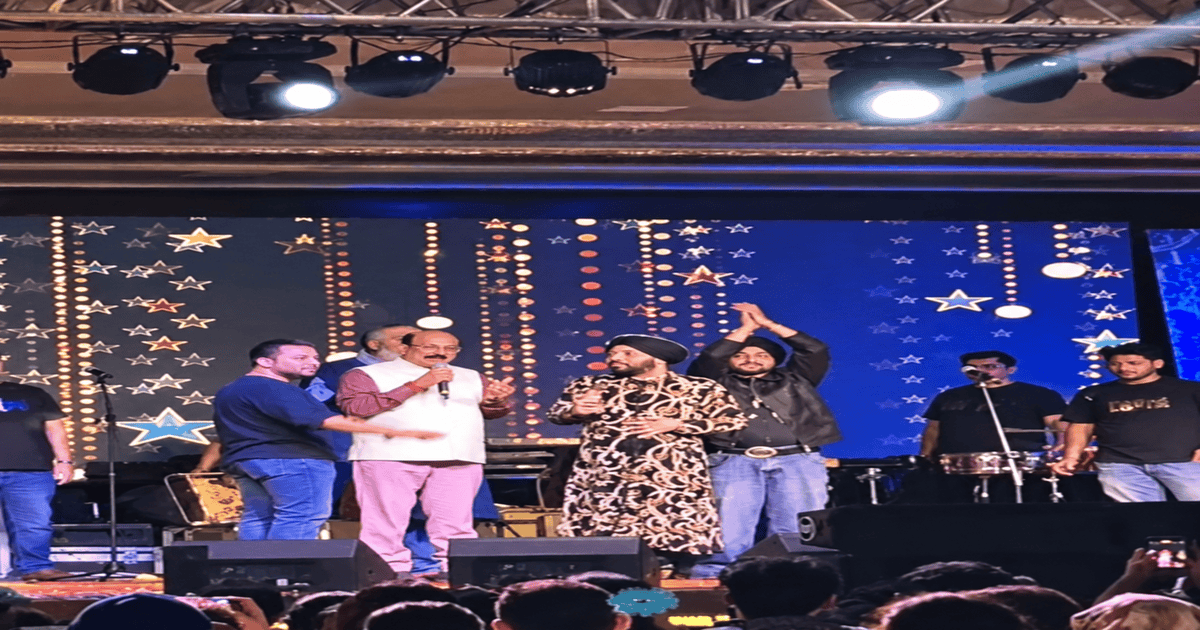
On a Sunday night in Tehri, a Cabinet minister walked onto a stage mid-show and told one of India’s biggest pop stars his performance wasn’t good enough. By Monday, the clip was on every phone in the country. Whatever the truth of that night, what followed is a clear lesson in PR crisis management, because for days the story belonged to everyone except the man at its centre.
That last point matters. This post is about communication, not a verdict on what happened.
Why this became a PR crisis management failure
Uniyal’s version reached millions first. Mika’s reply came later. In the coverage we reviewed, the clarifying voice was the brother’s, not Daler’s own.
Then came round two. Mika shared an old video of the minister at a voting booth and said Uniyal owes Daler an apology. It feels fair. As PR crisis management, it turns “Was the show good?” into “Star versus minister,” a fight a performer who tours the state doesn’t need to win.
Four mistakes in this PR crisis management case
Silence in the first hours. Rivals, clippers and commentators fill any gap, and the first version tends to stick.
A health claim without proof. If surgery was the reason, that should come from Daler, with his consent and a doctor’s note. A relative’s unverified word invites doubt.
A public fight with an elected official. Winning the argument online can cost you the next invitation from the state.
How Romit PR would have handled Daler Mehndi’s account
Good PR crisis management starts with facts, then speed.
First hour: lock the facts. We’d gather the organiser’s contract, the sound team’s account of live versus track, any medical records and raw footage. No guessing in public.
Hours 1 to 6: a holding statement from Daler himself. Thank the organisers and the people of Uttarakhand, respect the Navratri occasion, confirm he’s seen the video and will share facts shortly. University of Florida research found responses posted between one hour and one day were judged most credible.
Within 24 hours: one calm video. If illness was the cause, he says so in his own words, with documents. If something went wrong, he owns it in two sentences.
Quietly: reach the minister through the organisers. Thank him for caring about the event’s dignity. Don’t argue publicly.
Week one: repair. A goodwill gesture, such as a charity show or a conversation with Uttarakhand media, plus daily sentiment tracking. Family and fellow artists get one line to repeat: “He will speak soon.”
PR crisis management starts before the crisis
Add three clauses to every event contract: a stage-entry protocol, a health-disclosure note and a live-versus-track rule. Keep approved holding statements ready, name one spokesperson and brief the family. The best PR crisis management is dull preparation done months before the cameras roll.

 Optimized by Seraphinite Accelerator










Leave A Reply Now