AI in Public Relations: Why AI Is Changing How Brands Are Discovered
AI in Public Relations is changing how customers, investors, job seekers and journalists discover and evaluate companies.
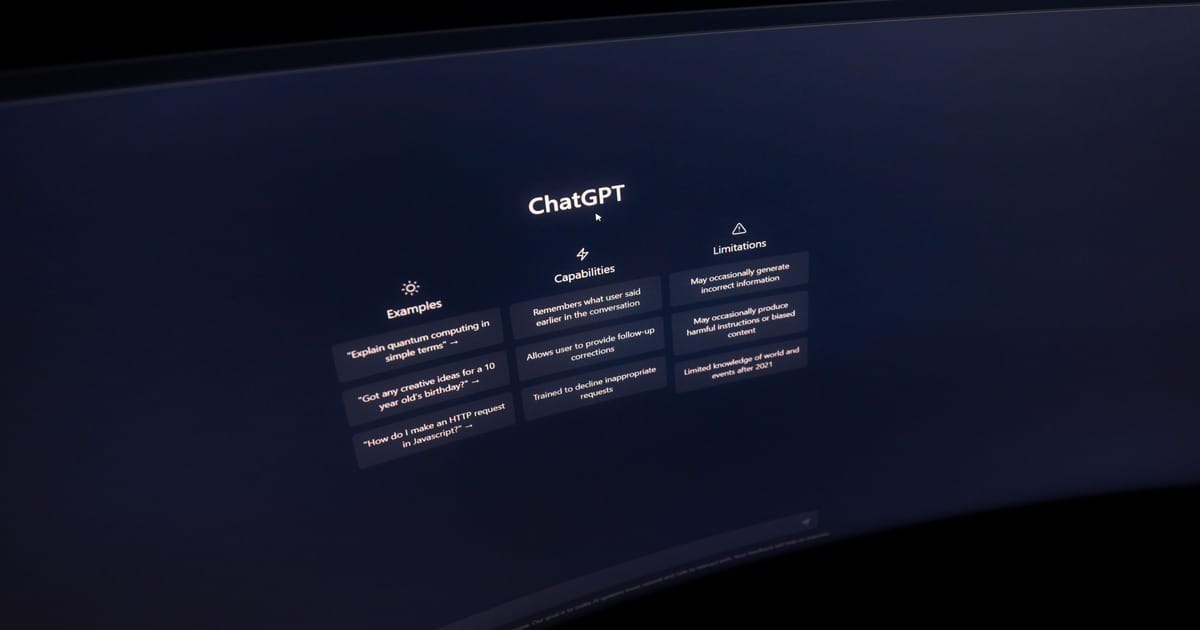
If someone asked ChatGPT about your company tonight, would you be happy with the answer?
Five years ago, that question would have sounded unusual. Today, customers, investors, job seekers and journalists increasingly turn to AI assistants before visiting a company’s website. They ask questions about brands, compare products and verify claims. The answers they receive are influenced not only by your website but also by trusted news articles, expert commentary, research reports and reviews.
AI in Public Relations marks one of the biggest shifts public relations has experienced since the rise of social media. PR is no longer only about shaping public opinion. It is also about shaping how AI understands and represents your organisation.
For nearly two decades, businesses focused on search engine optimisation. While SEO remains important, search itself is evolving. Google’s AI Overviews, ChatGPT, Gemini and Perplexity increasingly provide direct answers instead of simply displaying links. According to the Reuters Institute’s Digital News Report, AI chatbot use for news continues to grow while audiences still rely on trusted publishers for verification. This means organisations need to become trusted sources across the wider information ecosystem rather than simply rank highly on search engines.
Every Company Now Has Two Reputations
Every organisation now has two reputations. The first exists in the minds of customers, employees and investors. The second exists in AI systems. This AI reputation is built from thousands of public signals, including media coverage, executive interviews, customer reviews, awards, industry reports and your own website. Unlike traditional reputation management, AI reputation cannot be improved through advertising alone. It improves when credible third parties consistently validate your expertise.
Why Earned Media Matters More Than Ever
Earned media has become a strategic business asset. Every interview, guest article and independent news story contributes another trusted signal that strengthens your authority. A well-placed story becomes part of the digital footprint that shapes how both people and AI systems understand your organisation.
AI in Public Relations: What Leading Brands Can Teach Us
Microsoft: Building Trust Through Responsible AI
Microsoft has paired its AI innovation with a structured approach to responsible AI by publishing governance frameworks, responsible AI standards, and executive guidance on the ethical development and deployment of AI systems. These initiatives are intended to promote transparency, accountability, and trust as AI adoption accelerates.
Coca-Cola: AI Can Create Attention, But Communication Builds Trust
Coca-Cola’s 2024 AI-generated holiday campaign demonstrated that while generative AI can quickly capture public attention, audience reactions showed that creativity alone is not enough. The campaign sparked widespread debate over authenticity, emotional connection, and the role of AI in advertising, highlighting the importance of transparent communication and brand trust when adopting emerging technologies.
Klarna: Transparency Creates Credibility
Klarna has publicly shared measurable outcomes from its AI initiatives, including improvements in customer service efficiency, productivity, and cost savings. By publishing specific metrics rather than making broad claims about AI, the company has provided journalists, investors, and stakeholders with concrete information to evaluate the impact of its AI strategy.
AI Can Improve Efficiency, But It Cannot Replace Human Judgement
According to McKinsey’s State of AI research, organisations continue expanding AI across business functions to improve productivity and decision-making. Communications teams now use AI to monitor media sentiment, identify emerging issues, draft content and measure campaign performance. These capabilities save time, but they cannot replace judgement, empathy or trusted relationships.
Credibility comes from expertise and transparency. Consistency comes from publishing valuable insights regularly. Third-party validation comes from respected media coverage, expert citations and independent recognition.
Five Actions Every CEO Should Take Today
1. Invest in thought leadership. 2. Earn credible media coverage. 3. Monitor AI search visibility. 4. Strengthen executive communications. 5. Prioritise trust over content volume.
Final Thoughts
Every press release, executive interview and research report now speaks to two audiences simultaneously: people making decisions today and intelligent systems influencing tomorrow’s decisions. For CEOs, the question is no longer whether AI belongs in the communications strategy. The real question is whether the organisation is creating trusted information that both people and AI systems are confident enough to recommend.
AI in Public Relations is changing what visibility means. In the AI era, visibility gets attention. Credibility gets recommended.
—————————————
Frequently Asked Questions
Will AI replace PR professionals?
No. AI improves efficiency but cannot replace strategic judgement, media relationships or crisis communication.
Why is media coverage more important today?
Trusted media coverage reinforces authority signals used by both audiences and AI systems.
What is AI reputation?
It is the picture AI systems build about an organisation using publicly available trusted information.
What should CEOs do first?
Invest in thought leadership, media relationships and authoritative content while using AI to improve efficiency.

 Optimized by Seraphinite Accelerator










Leave A Reply Now