Visionary or Blind? The Lenskart Crisis and the Power of Proactive PR
Saishna96, CC BY-SA 4.0 , via Wikimedia Commons
In the high-speed digital landscape of 2026, a brand’s reputation can travel from “unicorn” to under fire in the time it takes to refresh a Twitter (X) feed. The recent Bindi-Hijab storm involving Lenskart is a textbook example of how internal oversights can trigger massive external fallout. For the top PR firms in India, the controversy also underlines a larger reality: in today’s hyperconnected world, internal communication failures can rapidly become national reputation crises.
As a seasoned public relations agency in India, we watched this unfold with a singular thought: This was entirely avoidable. For firms looking to hire public relations experts, the Lenskart episode serves as a stark reminder that in a hyper-sensitive cultural climate, your internal communication is just as public as your Super Bowl ad.
The Episode, When Branding Meets Backlash
The controversy erupted when a grooming guide, allegedly from February 2026, surfaced online. The document appeared to prohibit visible Hindu religious symbols like the bindi, tilak, and kalawa (sacred thread) for employees, while reportedly allowing the hijab under specific conditions.
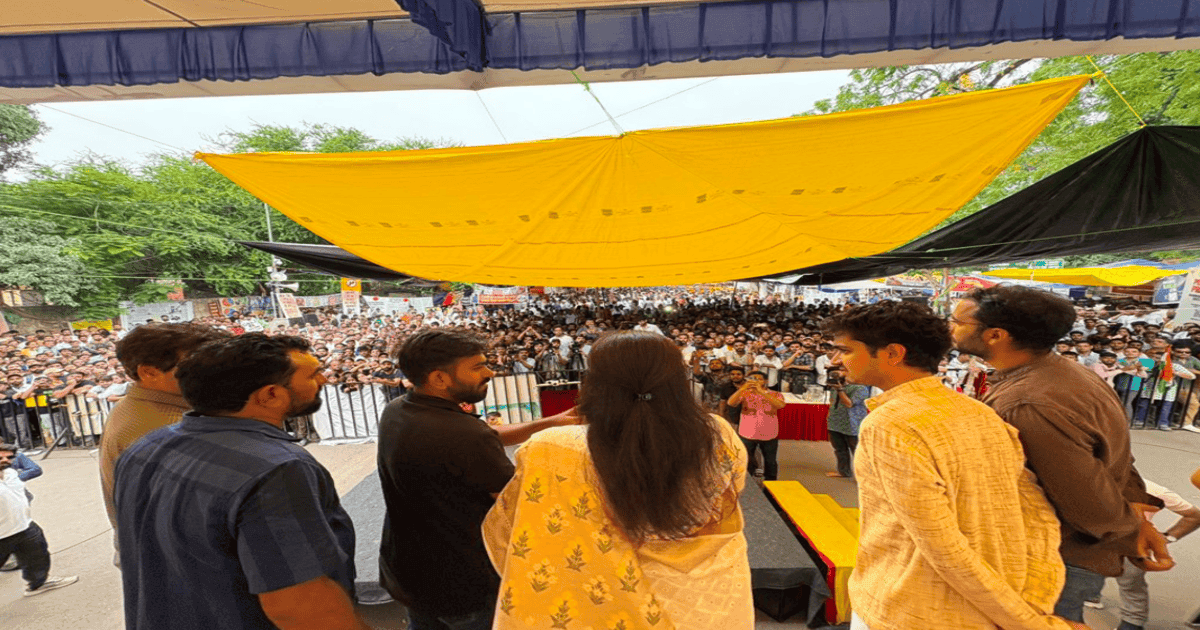
The reaction was swift and visceral. Social media was flooded with the hashtag #BoycottLenskart, and the outrage moved from the digital sphere to the physical one. According to reports from India Today, political leaders even entered Lenskart outlets to apply tilak to staff members as a mark of protest. While CEO Peyush Bansal quickly clarified that the document was an outdated training note and not current policy, the damage to the brand public relations was already done.
How a Crisis Communications Plan Changes the Narrative
A robust crisis communication public relations strategy isn’t just about fixing a problem; it’s about preventing the leak and managing the flow of information. Here is how a dedicated crisis pr team would have safeguarded Lenskart:
1. Proactive Internal Audits
The biggest pitfall was the existence of an outdated document in an active training ecosystem. A leading corporate communication agency would have implemented a Content Sunset Policy, ensuring that any document not aligned with current inclusive values is purged from all servers. In the world of public relations and crisis management, your internal culture is your external brand.
2. Real-Time Media Monitoring
Lenskart faced a 5% drop in shares shortly after the controversy peaked. By utilizing a high-end pr monitoring tool, a reputation pr agency could have detected the initial spark on local Facebook groups or niche forums before it reached influencers like Shefali Vaidya. Early detection allows for a Level 1 response, a clarification issued before the smashing glasses videos go viral.
3. Cultural Sensitivity as a Core KPI
Whether you are a fintech public relations firm or a lifestyle public relations agency, understanding the local pulse is non-negotiable. As noted by Exchange4Media, cultural context is not optional. A digital pr agency India would have flagged the grooming guide’s language as high-risk months in advance, replacing it with guidelines that celebrate diversity rather than standardizing it.
The Strategic Recovery. Beyond the Apology
When a crisis hits, many international pr firms suggest a standard apology. However, in the Indian market, you need a crisis public relations firm that understands the nuances of National Sentiment.
Lenskart eventually issued a sincere apology and a revised guide, but a more aggressive media relations strategy could have involved:
Influencer Public Relations: Partnering with diverse cultural icons to showcase Lenskart’s inclusive workplace.
Thought Leadership: Positioning the CEO not just as an apologist, but as a leader in corporate secularism through Tier-1 placements in the best pr firms in India.
Public Affairs: Engaging with top public affairs firms to manage the political fallout and ensure store safety during protests.
Why Delhi/NCR Brands Need a Local Expert
Whether you are one of the startup pr firms in Gurgaon or an established fintech pr company in Noida, your proximity to the political and media capital of India matters. The Lenskart incident happened in our backyard.
As a consultant who has led newsrooms at S&P Global and produced primetime content for national TV, I know that media relations companies must be more than just senders of press releases. They must be guardians of the narrative. From pr companies in Gurgaon to pr agencies in Pune, the demand is shifting toward consultants who offer crisis communication services backed by data and empathy.
Final Thoughts. Don’t Wait for the Fire
The Lenskart episode wasn’t just a language lapse; it was a systemic failure of brand public relations. If you are currently looking for a pr agency or simply need to stress-test your existing pr and communications agency, the time to act is now, not when the boycott is trending. As today, brands increasingly rely on the top PR firms in India to manage reputation risks, cultural sensitivities, and crisis communication in real time.













Leave A Reply Now